
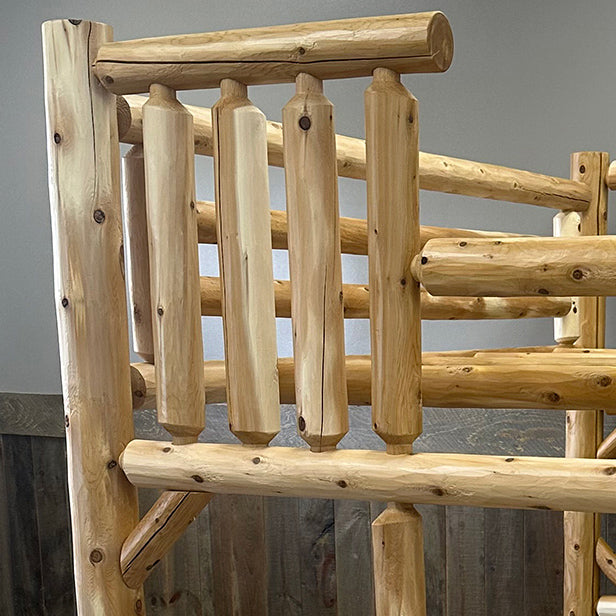
If you've noticed small cracks forming along the surface of your log furniture, take a deep breath. Those lines aren't damage. They're not defects. What you're seeing is called log checking — and it's one of the most natural things solid wood can do. It's actually a sign that your furniture is made from real, honest timber that's doing exactly what nature intended.
At Lakeland Mills, we build furniture from whole logs and solid wood. Not particle board. Not laminate. Real wood. And real wood behaves like a living material — because that's what it once was. Log checking is part of that story, and once you understand it, you'll see those little cracks in a whole new light.
What Is Log Checking, Exactly?
Log checking happens when wood releases moisture as it dries and adjusts to its environment. Think of it this way: a tree spends decades soaking up water in the forest. When that wood is harvested and shaped into furniture, it slowly acclimates to the humidity and temperature of your home, your porch, or your cabin.
As the outer layers of the log dry faster than the interior, the wood develops small radial cracks along the grain. These are checks. They're the log's way of releasing internal tension — like stretching after a long road trip. It's completely normal, completely expected, and completely harmless.
Why Log Checking Is Actually a Good Thing
Here's where it gets interesting. Log checking isn't just normal — it's beneficial. Those cracks serve real purposes that make your furniture better over time.
It Improves Structural Stability
When a log checks, it's relieving internal stress. Without that release, pressure could build unevenly inside the wood, potentially leading to warping or twisting. Checking lets the wood settle into a stable, balanced state. Your harvest family dining table actually gets stronger and more dimensionally stable as it seasons.
It Supports Better Moisture Regulation
Checks allow moisture to escape more evenly from the wood. This balanced drying process helps the log reach equilibrium with its surroundings. The result? Wood that performs well in changing seasons and varying humidity levels — whether your furniture lives indoors, on a covered porch, or at the lake house.
It Adds Character You Can't Fake
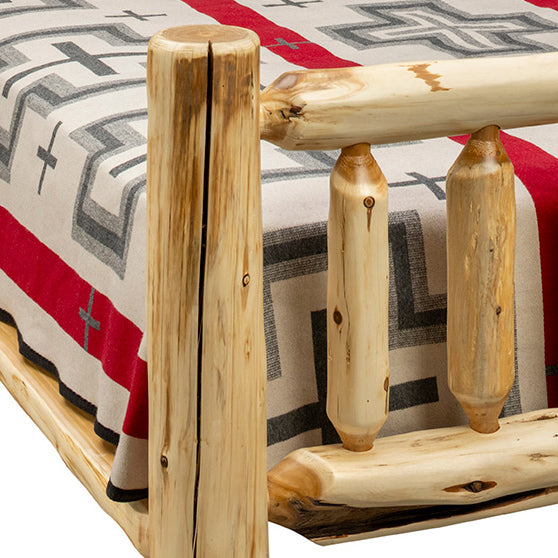
Let's be honest — this is part of the beauty. Every check tells a story. It's nature's fingerprint, making each piece of log furniture one of a kind. That weathered, authentic look is exactly what draws people to rustic furniture in the first place. You can't replicate it with a factory stamp. When guests gather around your round log table on the patio, those subtle lines in the wood are conversation starters, not flaws.
Common Myths About Log Checking — Busted
We hear the concerns. Maybe you read something online, or a well-meaning neighbor raised an eyebrow. Let's clear up the most common misconceptions.
Myth: Checks Mean the Wood Is Weak
Not even close. Checking is a sign that the wood is naturally relieving stress and settling into a stronger, more stable form. Solid log construction is inherently robust — those surface cracks don't compromise the structural integrity of your furniture one bit.
Myth: Cracks Mean the Wood Is Rotting
Checking and rot are completely different things. Rot is caused by prolonged moisture exposure combined with fungal growth. Checks are the opposite — they're evidence of the wood drying out and finding its balance. Properly maintained log furniture will last for generations.
Myth: You Should Fill in the Cracks
This is a common mistake. Filling checks with caulk, putty, or sealant can actually trap moisture inside the wood and prevent natural breathing. In most cases, the best thing you can do is leave the checks alone. Let the wood do its thing. If you're applying a finish or sealant to your outdoor furniture, focus on the surface — not on plugging every little line.
How to Care for Log Furniture That's Checking
The good news? Caring for checked log furniture is simple. Here's what we recommend:
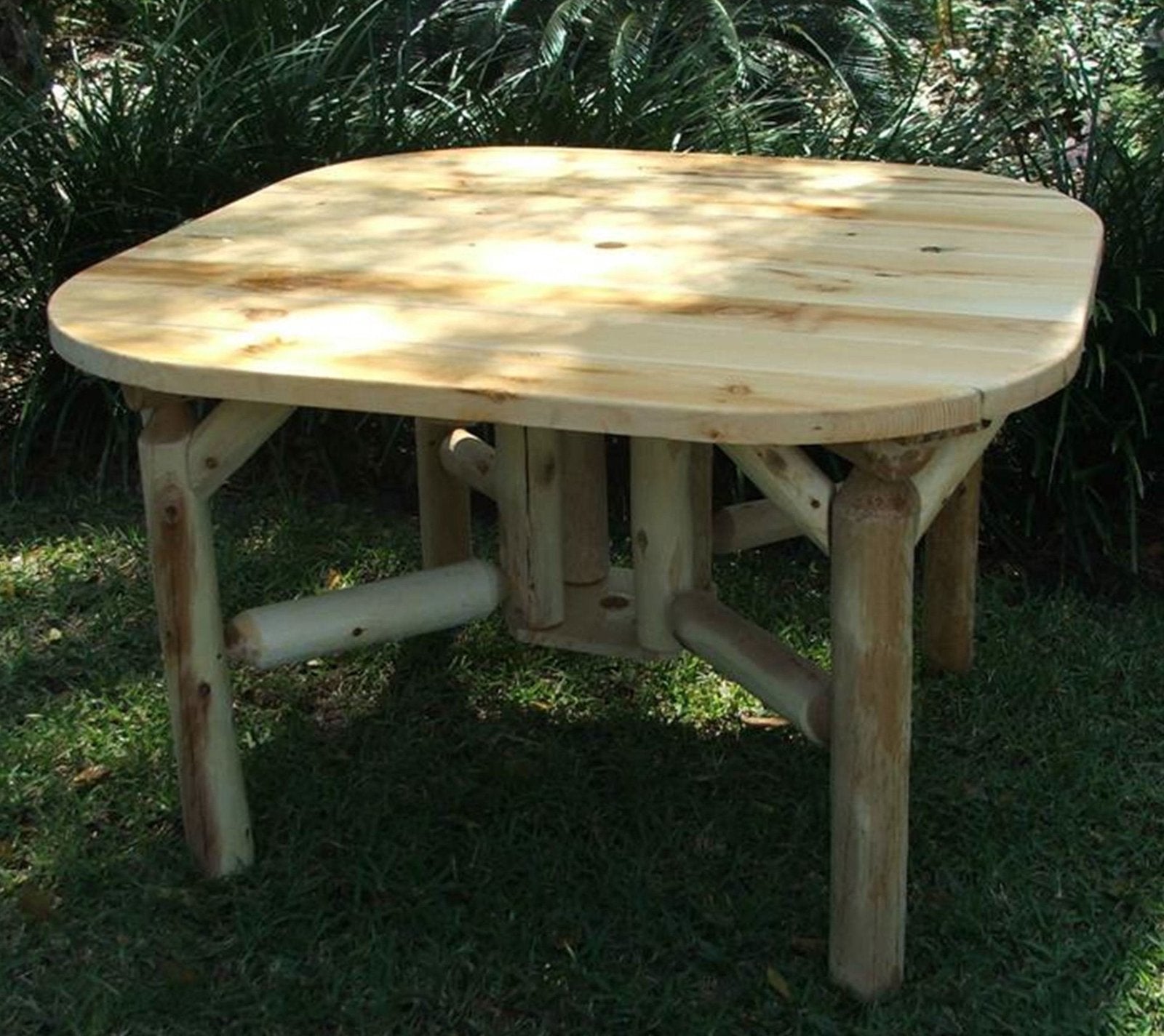
Keep it clean. Wipe down your furniture regularly. For outdoor pieces like a cedar 42" square table, a gentle wash with mild soap and water a few times a season does the trick.
Apply a quality wood finish. A UV-protectant sealant or exterior wood stain helps slow the drying process and protects against weathering. Reapply annually for outdoor furniture.
Don't panic about seasonal changes. Checks may open slightly in dry winter months and close back up in humid summer weather. This is the wood breathing — it's healthy.
Avoid extreme conditions when possible. While our cedar log furniture is built to handle the outdoors, keeping pieces under a covered area or bringing cushions inside during storms will extend their life.
Embrace the Character of Real Wood
Here's the thing about solid log furniture: it's alive in a way that manufactured pieces never will be. It responds to the seasons. It develops a patina. It tells a story. Log checking is part of that living quality — and it's one of the reasons families choose real wood over everything else.
When you sit down at your classic farmer's table for a family dinner, you're sitting at something with history, texture, and soul. Those checks are nature's signature on a piece built to last.
So the next time you spot a new crack forming in your log furniture, don't worry. Smile. That's your furniture settling in, getting stronger, and becoming even more uniquely yours.
Ready to Bring Real Wood Home?
At Lakeland Mills, every piece we build celebrates the natural beauty of solid wood — checks and all. Explore our full collection of handcrafted log furniture and find the perfect piece for your family's next gathering.

Leave a comment
This site is protected by hCaptcha and the hCaptcha Privacy Policy and Terms of Service apply.