
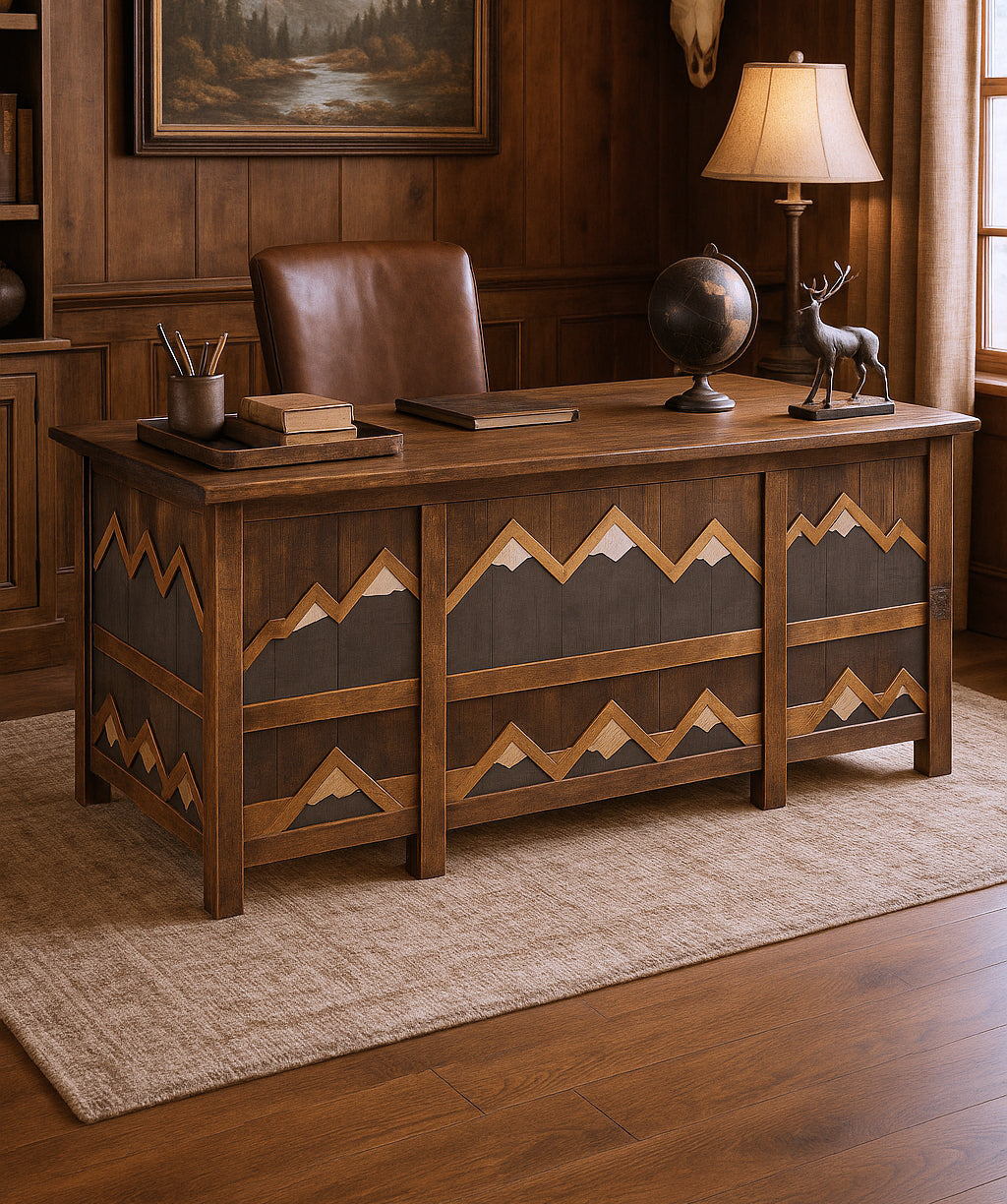
Log cabin furniture is built to last — but even the sturdiest solid wood pieces need a little love along the way. Whether you've got a handcrafted bed frame in a mountain retreat or a cedar log patio bench on the back deck, knowing how to troubleshoot common issues with log cabin furniture will keep your investment looking gorgeous for decades. The good news? Most problems are easy to spot and even easier to fix when you catch them early.
Real wood tells a story. Every knot, grain line, and natural curve is part of what makes log furniture so warm and inviting. But those same organic qualities mean your furniture responds to its environment — temperature swings, humidity, sunlight, and moisture all play a role. Let's walk through the most common challenges and exactly what to do about each one.
Identifying Common Log Cabin Furniture Problems
Before you can fix something, you need to know what you're looking at. Here are the issues log furniture owners encounter most often:
Warping and Twisting
Wood is a living material, even after it's been milled and finished. When humidity levels swing dramatically — think dry winter heat followed by a muggy summer — the wood expands and contracts unevenly. Place a piece too close to a fireplace, heating vent, or south-facing window, and you're asking for trouble. The result? Boards that bow, twist, or cup over time.
The fix starts with placement. Keep your log furniture away from direct heat sources and prolonged sunlight. If you live in a climate with extreme seasonal changes, a simple room humidifier in winter can work wonders. Aim for a consistent indoor humidity between 35% and 55%.
Mold and Mildew Growth
Damp environments with poor air circulation are a playground for mold and mildew. This is especially common for log furniture stored in basements, enclosed porches, or cabins that sit vacant for weeks at a time. You'll notice fuzzy patches, dark spots, or a musty smell.
If you catch it early, a solution of equal parts white vinegar and water wiped across the affected area usually does the job. Dry the surface completely afterward. For prevention, ensure good ventilation around your furniture and avoid covering pieces with plastic or non-breathable materials during storage.
How to Clean Log Cabin Furniture the Right Way
Cleaning log furniture isn't complicated, but the wrong approach can do more harm than good. Harsh chemical cleaners strip natural oils and damage the finish. Here's a simple routine that protects the wood while keeping things fresh:
- Dust weekly. A soft, slightly damp cloth picks up dust without scratching. Microfiber works beautifully.
- Deep clean monthly. Mix a few drops of mild dish soap into warm water. Wipe down surfaces gently, then follow immediately with a dry towel. Never let water sit on the wood.
- Polish seasonally. A natural beeswax or wood-safe polish restores luster and adds a thin protective layer. Avoid silicone-based products — they create buildup that's hard to remove later.
This routine takes minutes but makes a real difference. Consistent, gentle cleaning prevents grime from settling into the grain and keeps your log furniture looking like it just arrived.
Repair and Maintenance Tips for Log Furniture
Small issues are inevitable with real wood. A hairline crack here, a rough spot there — it's all part of the character. The key is addressing these things before they grow into bigger problems.
Fixing Cracks and Splits
Inspect your furniture at least twice a year. Run your hand along surfaces and joints. If you find a small crack, a quality wood filler matched to the natural color of your piece fills it seamlessly. Once dry, sand it smooth with fine-grit sandpaper (220 grit works well) and apply a light coat of finish to blend everything together.
For deeper splits, especially along end grain, a wood glue and clamp approach is more effective. Apply glue into the split, press it closed with a clamp, and let it cure for 24 hours before removing.
Tightening Loose Joints
Over time, joints can loosen — especially on heavily used pieces like benches and chairs. If a joint feels wobbly, disassemble it if possible, clean out old adhesive, apply fresh wood glue, and reassemble with firm clamping pressure. This is a ten-minute fix that adds years of life.
Protecting Log Furniture from Weather and Sun
Outdoor log furniture faces even tougher conditions. Rain, UV exposure, and temperature extremes all accelerate wear. If you have a 6-foot cedar log patio bench or a log picnic table with attached benches on your deck, seasonal protection matters.
Apply a UV-resistant exterior wood sealant every one to two years. Look for products specifically designed for outdoor cedar or pine. Before resealing, clean the piece thoroughly and let it dry completely — applying sealant over dirty or damp wood traps moisture and defeats the purpose.
During harsh winter months, consider covering outdoor pieces with breathable furniture covers or moving them to a sheltered area. A covered porch or garage works perfectly.
When to Refinish Your Log Cabin Furniture
Even with faithful maintenance, there comes a time when a full refinish breathes new life into a well-loved piece. Signs it's time include:
- The finish feels rough or tacky to the touch
- Water no longer beads on the surface
- The wood looks dull or grayish despite cleaning
- Multiple areas show wear-through to bare wood
Refinishing sounds intimidating, but it's genuinely rewarding. Sand the entire piece with medium-grit sandpaper (150 grit), then follow with fine grit (220). Wipe away all dust with a tack cloth. Apply your chosen stain or clear finish in thin, even coats, allowing proper drying time between each. Two to three coats is usually ideal.
The result? Furniture that looks and feels brand new — with all the character and patina of the original wood intact.
Keep Your Log Furniture Beautiful for Generations
Real log cabin furniture is an investment in warmth, character, and quality. A little regular attention — cleaning, inspecting, protecting from the elements — goes a long way toward keeping every piece looking its absolute best. The beauty of solid wood is that it only gets better with age, as long as you give it the care it deserves.
Ready to add a new piece to your collection? Explore our handcrafted 7-foot cedar log patio bench — built from real Northern White Cedar and designed to become a centerpiece on your porch, patio, or garden for years to come. Browse the full Lakeland Mills collection and find the perfect fit for your family's space.



Leave a comment
This site is protected by hCaptcha and the hCaptcha Privacy Policy and Terms of Service apply.